
Belgium may be small in size, but it plays an outsized role in European business. Strategically located at the heart of Europe, home to Brussels—the de facto capital of the European Union—and known for its multilingual workforce, Belgium offers strong opportunities for international companies looking to scale. For organisations considering B2B Sales in Belgium, understanding the country’s history, business structure, and sales culture is essential.
At Aexus, we support ambitious companies with B2B sales, lead generation, and appointment setting across Europe. Belgium is one of those markets where a thoughtful, relationship-driven approach can unlock long-term success—especially when executed with local expertise.

Belgium’s Economic Foundations and International Importance
Historically, Belgium was part of Roman Gaul before emerging as one of Europe’s most prosperous regions during the late Middle Ages. Cities such as Ghent, Bruges, and Ypres became powerful trading hubs, exporting woollen goods and developing a culture that rivalled Northern Italy in art, architecture, and commerce.
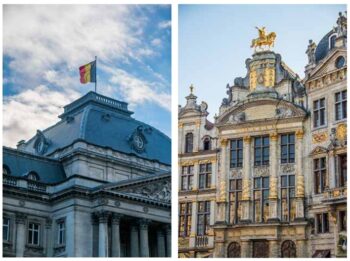
Belgium gained independence in 1830 and, despite periods of German occupation during both World Wars, rebuilt itself into a modern, technologically advanced economy. Today, Belgium is a member of both NATO and the EU, with Brussels hosting major European institutions and a dense concentration of multinational headquarters.
This international orientation continues to shape Belgium’s attractiveness for companies looking to expand to Belgium as a gateway to Europe.
Principal Industries and Belgian Tech Innovation
Belgium has limited natural resources, which has driven the country to excel in value-added industries. Traditional strengths include:
- Refining and petrochemicals
- Textiles
- Chemicals
- Steel
Beyond these, Belgium’s secondary industries are substantial and increasingly innovation-led. Key sectors include:
- Pharmaceuticals and life sciences
- Food processing
- Electronics and machinery
- Automotive and advanced manufacturing
The service sector accounts for nearly 75% of Belgium’s GDP, while agriculture contributes approximately 1%. In recent years, Belgian tech innovation—particularly in SaaS, biotech, and deep tech—has attracted growing investor interest, supported by strong universities and EU-backed funding mechanisms.
Doing Business in Belgium: Structure, Geography, and Trade
Belgium’s economy is among the most advanced in Europe, largely due to its logistics infrastructure and central location. The country was one of the first in continental Europe to undergo industrialisation and has since developed an integrated transport network that connects seamlessly with neighbouring markets such as Germany, France, and the Netherlands.
Most Belgian industries are concentrated in Flanders and the Brussels region, where population density, talent availability, and infrastructure are strongest. Belgium imports a significant share of its raw and semi-finished materials, processes them locally, and exports high-value finished goods worldwide.
For international companies, this makes Belgium an ideal base for cross-border B2B sales and regional expansion.

Sales Culture in Belgium: Relationships First, Deals Second
Facts and figures only tell part of the story. To succeed in B2B sales in Belgium, understanding the local mindset is critical.
Belgian business culture is relationship-driven. Unlike more transactional markets, trust is built gradually—often over multiple meetings. Deals rarely happen after a single conversation. Instead, progress typically follows a familiar rhythm: coffee, another coffee, lunch, and only then commercial discussions.
This approach directly impacts lead generation and appointment setting. High-pressure tactics or overly aggressive outreach tend to backfire. Instead, success comes from patience, credibility, and genuine engagement.
While younger sales professionals are becoming more results-oriented, long-term partnerships still depend heavily on trust and personal connection—especially for complex or high-value deals.
Multilingual Advantage and International Mindset
One of Belgium’s greatest strengths is its multilingual workforce. Most Belgians grow up speaking at least two languages—typically Dutch and French—and often add English and German later on. Universities and international workplaces further reinforce this multicultural exposure.
As a result, Belgian professionals are highly comfortable doing business across borders. For companies looking to expand to Belgium, this makes local teams especially effective at managing international accounts and regional sales pipelines.
Internal Complexity: Regions, Languages, and Business Friction
Belgium’s internal structure is complex. The country is divided into Flemish-speaking Flanders, French-speaking Wallonia, a small German-speaking region, and Brussels, which operates as a multilingual international hub.

This fragmentation has led to political friction and, at times, challenges in doing business between regions. Cross-regional sales can be slower due to cultural perceptions and administrative differences. In practice, many companies focus their sales efforts either on Flanders or Brussels, where international business activity is highest.
For foreign companies, this complexity reinforces the value of localised sales strategies and experienced partners who understand regional dynamics.
Start-ups, Scale-ups, and New Growth Opportunities
Belgium is not always seen as an easy place to start a business due to regulation and upfront capital requirements. However, this perception is changing. In recent years, new funding models, accelerators, and EU-supported programmes have improved access to seed and growth capital.
Today, Belgium produces a steady stream of promising start-ups, particularly in technology and innovation-driven sectors. Brussels remains a magnet for international talent, making it an attractive base for fast-growing companies with European ambitions.
Business Etiquette and Sales Best Practices
When conducting B2B sales in Belgium, etiquette matters:
- Expect small talk before business discussions begin
- Wait for your Belgian counterpart to introduce commercial topics
- Communicate clearly, logically, and respectfully
- Avoid confrontational or high-pressure sales tactics
- Maintain eye contact—it signals professionalism and trust
Business meals are common, but detailed negotiations typically wait until coffee is served at the end. The host usually pays the bill.
These nuances can significantly influence conversion rates in appointment setting and outsourced sales campaigns.
Why Outsourced Sales Works in Belgium
Belgium rewards consistency, credibility, and local understanding. For many international companies, building these internally can be slow and costly. That’s why outsourced sales—delivered by teams with on-the-ground expertise—can accelerate market entry while reducing risk.
At Aexus, we combine local sales knowledge with structured lead generation and appointment setting methodologies to help companies achieve predictable growth in Belgium.
Ready to Grow in Belgium?
Belgium offers strong opportunities for companies that approach the market with the right mindset, strategy, and local execution. Whether you are a founder, sales leader, or investor, success depends on understanding Belgian business culture and aligning your B2B sales approach accordingly.
If you are looking to expand to Belgium, strengthen your B2B sales pipeline, or explore outsourced sales and lead generation, contact Aexus today. We help ambitious organisations turn market entry into sustainable growth.